Indigenous & Ancestral Traditions
The Way of Fire and Ice
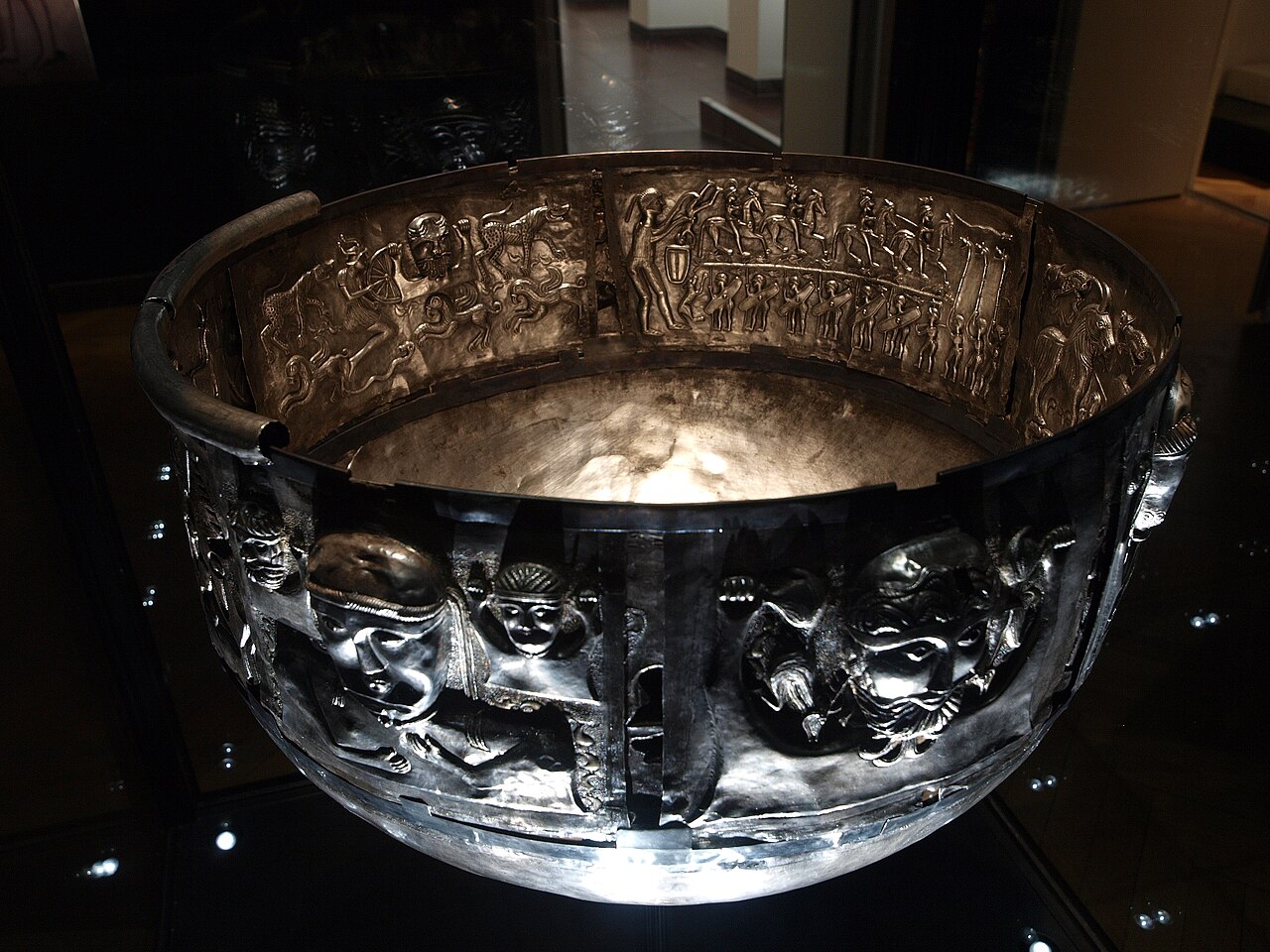
A guide to modern Northern European Heathenry: the historical roots of the pre-Christian Germanic and Norse religions and their revival, the cosmology of the World Tree, the gods and goddesses of the Aesir and Vanir, runic magic and seiðr, and the ethics and communal practice of the tradition today. Illustrated with photographs of Bronze Age rock carvings, the Gundestrup Cauldron, a Mjölnir pendant, and the Elder Futhark runes.
Introduction
1In the quiet hum of a modern city, a hand reaches up to touch a hammer pendant, a silent acknowledgment of an ancient power. In a forest clearing, a horn of mead is poured out onto the earth, a gift for the spirits of the land. A practitioner sits in meditation, seeking the wisdom of a one-eyed god who once hung from a cosmic tree. These are the threads of a tradition that, though ancient, is vibrant and alive today: the living path of Northern paganism.
2This is a tradition that stretches back through history, its roots tangled in the soil of prehistory, its branches reaching into the modern world. It is a faith of warriors and poets, farmers and seafarers, a worldview where the divine is not distant and detached but woven into the very fabric of existence—into the thunder of a storm, the fertility of a field, the courage in a warrior's heart, and the wisdom of an elder. This is the Way of Fire and Ice, a path born from the collision of primal forces, a path of cycles, connection, and personal responsibility.
3For centuries, these ways were suppressed, driven underground by the rise of monotheistic faiths. Yet, the stories, the runes, and the gods endured, sleeping in the collective memory of a people. Beginning in the 1970s, this dormant tradition began to reawaken, rising from the ashes of history to offer a compelling alternative to the spiritual disconnect of the modern age. This book is a guide for those who feel the call of the Northern gods, a map for navigating this rich and often complex spiritual landscape.
4Unlike faiths built on rigid dogma and holy books, this path is a "religion with homework." It is non-dogmatic and places a strong emphasis on personal exploration, community, and a deep dive into the historical lore. There is no single authority, no singular holy text to dictate belief. Instead, practitioners are encouraged to be scholars, to wrestle with the ancient poems and sagas, to form their own relationships with the gods, and to live a life of integrity and honor. This book will serve as your companion, providing the tools and knowledge to begin your own journey into the heart of the Northern tradition.
The Roots of the Ancient Ways
1To understand the present, we must first journey into the past. The spiritual traditions of the North are not a recent invention but the product of millennia of human interaction with a harsh and beautiful land. They are the echoes of a time when the boundary between the natural world and the divine was thin, and every stone, tree, and fjord was alive with spirit.
2The Deep Past: Hunters, Farmers, and the First Gods
3Long before the first Viking ship touched a foreign shore, the ancestors of the Northern peoples walked the land. In the Stone Age, these were hunter-gatherers who lived in intimate connection with their environment. Their spirituality was animistic; every animal, plant, and natural force was seen to possess a spirit, a vættr. The mighty elk, the cunning wolf, the soaring eagle, and the bear were not just sources of food or danger but were powerful totems, their spirits invoked for protection and hunting prowess. Cave paintings and rock carvings from this era depict these potent animals, likely serving as focal points for early religious rites and shamanic practices. These primal beliefs formed the bedrock upon which later traditions were built.
4The shift to agriculture in the Neolithic period, beginning around 6000 years ago, brought a profound change to the spiritual landscape. As people settled, they began to build enduring relationships with the land. The spirits of place—the landvættir—became paramount for ensuring the fertility of the crops. The dead were buried in great mounds, a practice that continued into the Viking Age, signifying that ancestors remained a vital part of the community, their spirits guarding the family and the land. The great megalithic monuments that dot the European landscape, including those in Scandinavia, were built during this time, standing as silent testaments to a complex, sophisticated spiritual world. Amber, carved into animal shapes and axes, was offered as a gift to the powers of the world.
5The Indo-European Legacy
6Around 3000 BCE, a new wave of culture began to spread across Europe. These were the people now known as the Indo-Europeans, who brought with them a new language and a new social and religious structure. While their exact origins are debated, their influence on the spiritual traditions of the North was immense.
7Through linguistic analysis, we can reconstruct their worldview. They were a pastoral people, for whom the cow was a symbol of wealth. Social bonds were forged through the exchange of gifts and hospitality—values that would become cornerstones of Northern ethics. Their social structure was tripartite: priests (guardians of magic and sovereignty), warriors (defenders of the tribe), and farmers/workers (the producers of wealth).
8This tripartite structure is reflected in their pantheon. The Proto-Indo-Europeans worshipped a sky-father (Dyēus Pətēr), whose name echoes in the gods Zeus, Jupiter, and the Northern Tyr. They honored a thunder-god, a goddess of the dawn, a god of the waters, and the divine horse-riding Twins. The concept of a cosmic order, maintained by sacrifice and ritual, was central to their beliefs. This Indo-European spiritual framework, when it merged with the indigenous animistic traditions of Northern Europe, began to form the foundation of what would become the Norse pagan worldview.
9The Bronze and Iron Ages
10The introduction of bronze and then iron transformed Northern society. The Bronze Age saw a flowering of trade, new artistic styles, and more complex social hierarchies. The climate was warmer, supporting larger populations. The warrior class, armed with new weapons, grew in status. A solar cult was celebrated, with images of a sun-pulled chariot appearing in rock carvings. This is an era of 'heroic' values, a world much like that depicted in the Iliad or the later epic Beowulf.
11The Iron Age saw a cooling climate, which put pressure on resources and led to the great migrations that would bring the Germanic tribes into conflict with the Roman Empire. The first written descriptions of the Northern peoples come from this period. The Roman historian Tacitus, in his Germania (98 CE), provides invaluable, albeit sometimes biased, accounts of their customs. He describes their veneration of the goddess Nerthus, the importance of their assemblies (things), and their gods. He notes that their primary deity was Mercury (whom they called Wodan), to whom they sacrificed humans. We also see the emergence of the first known runic inscriptions, marking the birth of a unique, sacred alphabet.
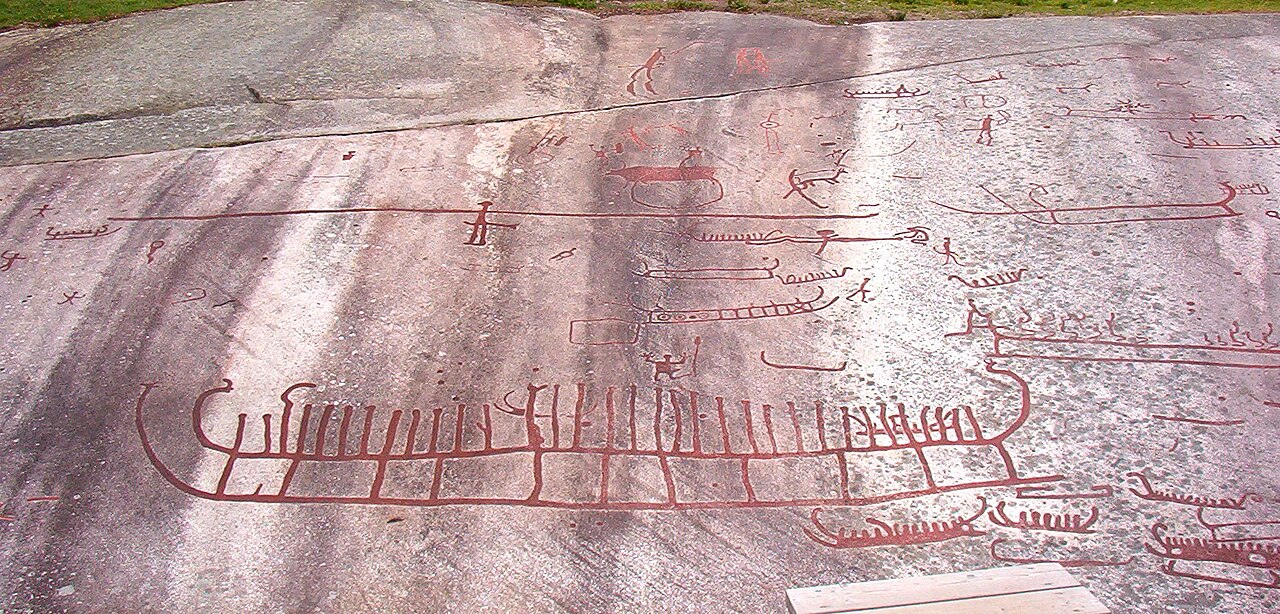
12This period, a crucible of conflict, migration, and cultural exchange, forged the Northern peoples. Their religion was not a fixed, static entity but a living, evolving synthesis of local, animistic traditions and the powerful myths of the wider Indo-European world. The foundation was now laid for the flowering of the Viking Age and the great sagas that would one day inspire its revival.
The Age of Vikings, Heroes, and Conversion
1The foundation laid in the deep past came to a spectacular flowering during the Viking Age and the preceding Vendel period. The Northern peoples, now expert shipbuilders and formidable warriors, exploded onto the world stage, their influence felt from the coasts of North America to the markets of Constantinople. Yet, it is not the clash of steel that is their most enduring legacy for the modern practitioner, but the clash of cultures that led to the preservation of their lore.
2The Vendel Period and the Cult of Odin
3The period between the Migration Age and the Viking Age (roughly 550-800 CE), known as the Vendel Period in Sweden, saw the consolidation of powerful chieftains and the emergence of a distinct, martial aristocratic culture. The cult of Odin became increasingly prominent. This is the time of the great ship burials, such as those at Vendel and Valsgärde, and the appearance of rich, ornate artifacts that depict scenes of war and ritual.
4Central to this era was the concept of the warrior-hall and the hirð, the chieftain’s personal guard. It is within this warrior culture that the legends of the berserkir and úlfheðnar—the bear- and wolf-warriors who fought in a trance-like frenzy—took root. They were said to be the followers of Odin, channeling his ecstatic power. The old Germanic epic Beowulf, set in this period, captures the ethos of the hall, the bonds of loyalty between a lord and his thanes, and the values of courage and sacrifice that defined the age.
5The Viking Age: Raiders, Traders, and Settlers
6The Viking Age, conventionally beginning with the raid on Lindisfarne in 793 CE, was an era of unprecedented expansion. The cause was likely a combination of factors: population pressure, the centralization of power in Scandinavia that drove restless younger sons to seek their fortunes abroad, and the immense wealth and vulnerability of the monasteries and towns of Christian Europe.
7The Vikings were masterful navigators, using their iconic longships to travel vast distances. They were not just raiders but also traders and settlers. They established the Danelaw in England, founded the first cities in Ireland (Dublin, Limerick, Waterford), settled the islands of the North Atlantic, and carved out the Duchy of Normandy. To the east, Swedish Vikings, known as the Rus, traveled along the river systems of Eastern Europe to reach the Byzantine Empire and the markets of the Middle East. Muslim diplomats, like Ibn Fadlan, left detailed accounts of their complex rituals and customs, including funerary practices that involved ship burials and animal (and sometimes human) sacrifice. These accounts provide a vital, outsider’s perspective on their religion.
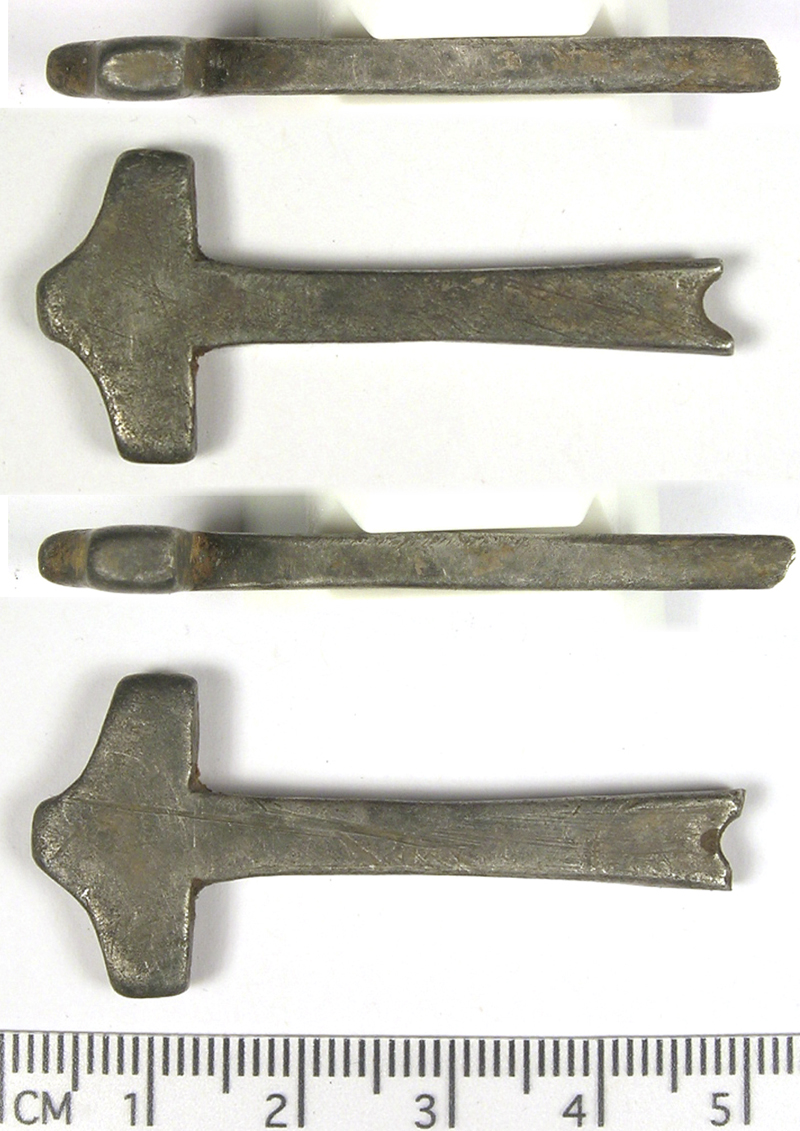
8Wherever they went, the Vikings carried their gods with them. Their worldview was not a distant theology but a lived reality. Thor’s hammer pendants have been found across the Viking world, a testament to his popularity as a defender of Midgard against the chaotic forces of the giants. Odin, the god of war, wisdom, and death, was the patron of kings and warriors. Freyr and Freyja, the Vanir, were invoked for peace and fertility. These were not abstract concepts but powerful, personal deities.
9The Literary Legacy: Eddas, Sagas, and Skaldic Poetry
10The Christianization of Scandinavia, which began in earnest in the 10th and 11th centuries, was a slow and often bloody process. While it suppressed the active practice of the old religion, it paradoxically ensured its survival. The new religion brought literacy and a culture of writing. A few centuries after the conversion, scholars in Iceland—a land where the old ways had been preserved longer than elsewhere—began to write down the myths and legends of their ancestors.
11This unique literary inheritance is our primary portal into the Northern spiritual world.
12· The Poetic Edda (or Elder Edda): A collection of anonymous poems preserved in the 13th-century Codex Regius manuscript. This is the most important source for Norse mythology. It includes the Völuspá (the Seeress’s Prophecy), which tells the story of creation and Ragnarök; the Hávamál (The Sayings of the High One), a collection of wisdom attributed to Odin; and lays about the gods (Thor’s journey to the giant Utgard-Loki, the binding of Fenrir, etc.) and the heroes (Sigurd/Siegfried, the Volsungs). · The Prose Edda (or Younger Edda): Written by the Icelandic chieftain and historian Snorri Sturluson around 1220 CE. It is a textbook for young poets, designed to teach them the art of skaldic verse and the mythological references that underpinned it. While it is a more Christianized and systematized version of the mythology, it preserves a vast amount of lore. · The Sagas: These are prose narratives, often semi-historical, written in Iceland during the 13th and 14th centuries. The Íslendingasögur (Sagas of Icelanders) tell of the families who settled Iceland during the Viking Age, detailing their feuds, laws, and lives. They are a treasure trove of information on daily life, social customs, and religious practices, including magic (seiðr) and rituals (blót). · Skaldic Poetry: Highly complex, intricate poetry composed by skalds (court poets) to praise kings and chieftains. These poems are often allusive and difficult to interpret, but they provide contemporary, datable references to mythology and religious practice from the 9th century onwards.
13The Conversion of the North
14The conversion of the Germanic peoples was a complex process, a mix of political expediency, missionary zeal, and, often, brute force. Kings saw the advantage of a unified state religion that could consolidate their power. Charlemagne’s brutal campaigns against the Saxons, which culminated in the massacre of 4,500 prisoners at Verden in 782 CE, set a precedent. The forced conversion was about power, not just piety. The fate of the Irminsul, a great pillar sacred to the Saxons that was destroyed by Charlemagne, symbolized the assault on their spiritual identity.
15In Scandinavia, the process was also political. Kings like Harald Bluetooth of Denmark, Olaf Tryggvason of Norway, and Olaf Haraldsson (later known as St. Olaf) embraced Christianity and used it to subjugate their unruly subjects. They burned temples, killed recalcitrant chieftains, and imposed the new faith by fire and sword. Those who resisted, like the chieftain Raud the Strong, were tortured to death.
16In Iceland, the process was, uniquely, peaceful. Faced with a potential civil war, the Lawspeaker, Thorgeir Thorkelsson, a heathen himself, declared that Iceland would become officially Christian—but pagan worship would still be permitted in private. This compromise, made in the year 1000 CE, is a testament to the pragmatic and community-oriented values of the Icelandic commonwealth. It allowed the old lore to survive and be written down, making Iceland the wellspring of modern Heathenry.
17The old gods, however, did not simply vanish. They retreated into folklore, their stories passed down in ballads and folktales. The names of the gods became the names of the days of the week. The great sagas were preserved on the island of fire and ice, waiting for a future age to reawaken them.
The Roots of the Revival
1The suppression of the Northern tradition was not its end. In the centuries that followed, the old ways slept, but the seeds of their revival had been planted by the very act of writing them down. The reawakening was a slow process, driven by the tides of history, literature, and nationalism, and it was not without its dark shadows.
2The Romantic Era and the Search for National Identity
3The 18th and 19th centuries saw a profound shift in European consciousness. The Enlightenment’s focus on reason began to give way to the Romantic movement, which celebrated emotion, nature, and the exotic. This led to a search for national identity. For the newly emerging nations of the North, this meant looking backward, to their indigenous past, for symbols and a sense of origin. The rediscovery of the Eddas and sagas became a powerful tool for this cultural and political renewal.
4Norse mythology became a source of inspiration for artists, poets, and musicians. Authors like William Blake and Thomas Gray drew on its imagery. Jacob Grimm collected folklore and wrote an exhaustive study of Teutonic Mythology, tracing the connections between ancient beliefs and surviving folk customs. In the United States, the poet Henry Wadsworth Longfellow retold Norse stories. And most famously, the composer Richard Wagner created his colossal operatic cycle, The Ring of the Nibelung, drawing heavily on the Volsunga Saga. While Wagner’s operas are deeply personal reinterpretations, they flooded the popular imagination with the figures of Odin (Wotan), Thor (Donner), and Brunhilde, making the Northern gods mythic characters in the modern world.
5The Dark Shadow: Misuse and Fascism
6This romanticized view of the past had a dangerous side. The search for national identity in Germany, in particular, became intertwined with the nascent Völkisch movement. This philosophy promoted a mystical, blood-and-soil nationalism. It was a toxic blend of romanticism and nascent racial theory, where the Germanic heritage was seen as inherently superior.
7Unfortunately, some early 20th-century occultists, like Guido von List, claimed to have discovered "ancient" practices that were in fact their own inventions (like the Armanen runes). They dressed them in a pseudo-Germanic aesthetic to serve an exclusionary, racist agenda. In its most extreme form, this movement created a "folkish" ideology that argued only those of Northern European descent could authentically practice the old ways.
8This ideology was co-opted by the Nazis, who twisted the ancient symbols—the swastika, the runes—for their own genocidal purposes. The Nazi leadership, however, had little genuine interest in the old religion. Hitler mocked Himmler’s attempts to recreate a Germanic past. The regime was primarily Christian in its public face, viewing the Völkisch occultists as a fringe embarrassment and, at times, a political threat. For the modern tradition, this association is a painful scar, a legacy of hatred that it must constantly and decisively confront and repudiate.
9The Modern Rebirth
10In the aftermath of World War II, Heathenry could have been buried forever by its association with Nazism. However, the spirit of the old ways was resilient.
11The 1960s and 1970s were a time of social and spiritual revolution. A cultural shift away from establishment religions and a new fascination with "alternative" spiritualities created fertile ground. The fantasy literature of J.R.R. Tolkien and his contemporaries made runes, dwarves, and elves familiar. The period saw the founding of the first organized modern Ásatrú groups.
12The first official recognition came in 1973, when Iceland granted Ásatrú the status of a registered religion, with Sveinbjörn Beinteinsson as its first allsherjargoði (chief priest). At roughly the same time, groups were forming across the English-speaking world. Stephen McNallen founded the Viking Brotherhood (and later the Asatru Folk Assembly) in the US, promoting a more "Folkish" interpretation. In England, the Odinic Rite was established. In 1987, in response to the racialist stance of some organizations, a group of founders, including Stephen Flowers, James Chisholm, and Diana Paxson, created The Troth, an inclusive, international Heathen organization dedicated to education and community.
13Since then, the tradition has grown exponentially. A vast array of literature, music, and online forums have made the old ways accessible to a global audience. The path that was driven underground over a thousand years ago has returned, more diverse and vibrant than ever.
The World Tree and the Shaping of Reality
1The Northern worldview is not a flat, linear history. It is a living, breathing cosmology, a complex ecosystem of worlds, beings, and cycles, all connected by a single, great, cosmic structure: the World Tree.
2Yggdrasil: The Axis of the Cosmos
3At the heart of this universe is Yggdrasil, a colossal, ever-green ash tree. Its name means "Odin's Horse," a kenning that refers to the god's shamanic journey on the tree when he won the runes. Yggdrasil is the axis of all reality; its branches reach up to the heavens, and its roots plunge deep into the underworld. It is not a static picture but a dynamic organism, sustained by the waters of the three great wells. An eagle perches in its high branches, a serpent gnaws at its roots (Nidhogg), and a squirrel named Ratatosk runs up and down, carrying messages and insults between them.
4The Tree connects everything: the realms of the gods, the elves, the ancestors, and the giants. It also reflects the inner world of the individual. The psychological concept of the "World Tree Within," where the spine serves as the central axis and the roots represent the subconscious, is a powerful meditative tool for practitioners. The health of the tree is the health of the cosmos, and its eventual destruction at Ragnarök will spell the end of the current world order.
5The Nine Worlds
6On the branches of Yggdrasil lie the Nine Worlds. While there is some debate about their exact location, a traditional interpretation maps them as such:
71. Asgard: The realm of the Aesir, the gods of society and warfare. It is the highest of the worlds, connected to Midgard by the shimmering rainbow bridge, Bifrost, which is guarded by the ever-watchful god Heimdall. 2. Vanaheim: The realm of the Vanir, the gods of nature, fertility, and magic. This world is often placed in the west, perhaps across the sea, reflecting the Vanir’s association with the mysteries of nature. 3. Alfheim: The realm of the Light Elves (Ljósálfar), beings of great beauty, light, and magic. Freyr is their lord. 4. Midgard: "The Middle Enclosure." This is the world of humanity, our own physical reality, ringed by the great serpent Jörmungandr. 5. Jötunheim: The realm of the giants (Jötnar), the chaotic and untamed forces of nature. Located to the east, it is a land of wilderness, mountains, and primeval power. It is a place of danger, but also of profound wisdom. The giants are not inherently evil; they are the elder kin from whom many of the gods are descended. 6. Nidavellir/Svartalfheim: The realm of the Dwarves (or Dark Elves). Master craftspeople, they live deep beneath the earth, mining and forging the greatest treasures of the gods. Their name means "dark fields," or "dark home," referencing their subterranean existence. 7. Muspelheim: The primordial realm of fire and heat. It is a land of incandescent flames, the home of Surtr and the fire giants who will bring the final conflagration of Ragnarök. 8. Niflheim: The primordial realm of ice, mist, and cold. It is from the meeting of Muspelheim’s fire and Niflheim’s ice in the great void of Ginnungagap that the first being, Ymir, was born. 9. Helheim (Hel): The realm of the dead. Ruled by the goddess Hel, it is a place of rest and reflection for the majority of those who have passed on. It is not a place of torture but of a quiet, misty existence. It is also a place of great wisdom, as the völva (seeress) is raised from her grave here to give prophecy to Odin.
8The Cycles of Creation and Rebirth
9The story of creation in the Northern tradition is one of elemental conflict and synthesis. Before there was Midgard, there was only Ginnungagap, a vast and silent void. On one side lay Muspelheim, the land of fire; on the other, Niflheim, the land of ice. When the fires of Muspelheim met the ice of Niflheim, the ice melted, and from the drops of water arose the primordial being, Ymir.
10Ymir was a giant from whom all the other giants were born. A cosmic cow, Audhumla, licked the salt from the ice and created the first of the Aesir, Buri. Buri’s grandson was Odin. In a necessary act of sacrifice and creation, Odin and his brothers, Vili and Ve, slew the great giant Ymir. From his body, they created Midgard. His flesh became the earth, his blood the seas, his bones the mountains, and his skull the sky. This story is a profound allegory: the world is made from the death of a prior order. There is no creation ex nihilo; it is a transformation, a shaping of raw materials.
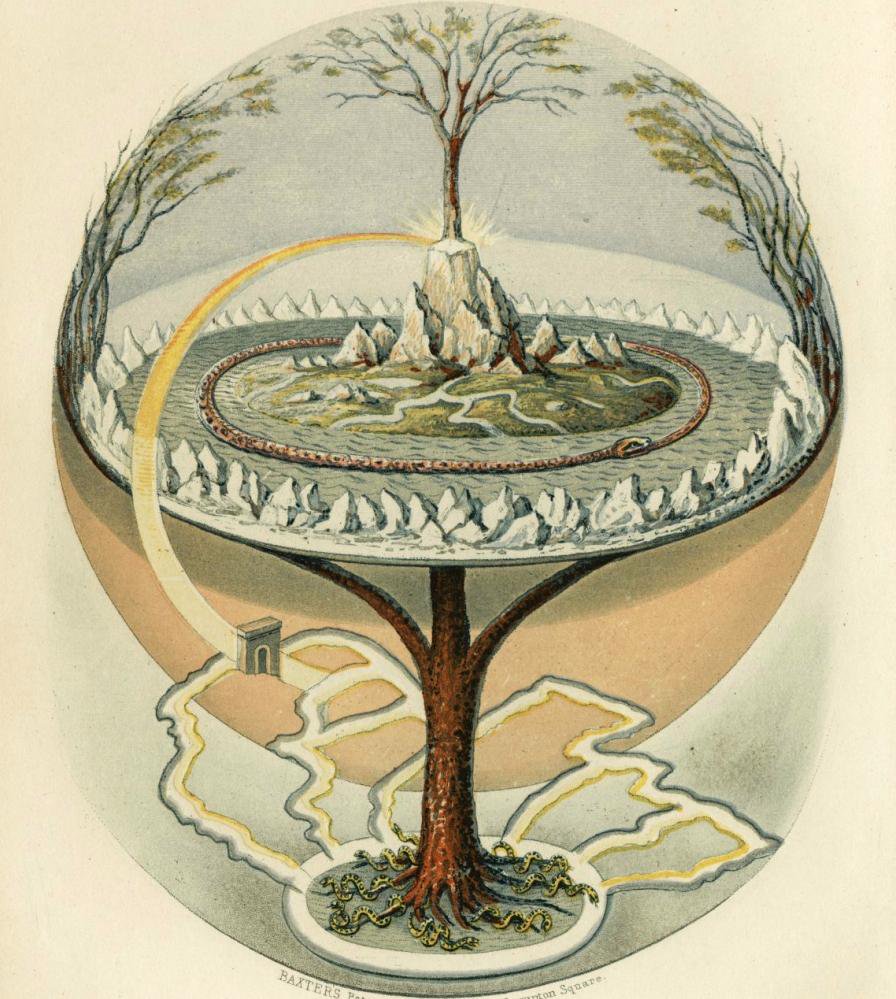
11The other half of this cosmic story is Ragnarök, the "Doom of the Powers." In a time to come, the bonds that maintain the current order will be broken. A winter of epic proportions, the Fimbulwinter, will descend. Hostility and chaos will engulf Midgard. The wolf Fenrir will break his chains; the serpent Jörmungandr will rise from the sea, flooding the land. Surtr will march with his fire giants, and the army of the dead will sail with Loki. The gods and heroes of Valhalla will ride out to fight their final battle.
12The battle of Ragnarök is a cataclysm: Thor slays Jörmungandr but is killed by the serpent’s venom; Odin is devoured by Fenrir; Freyr falls to Surtr. The world is consumed by fire and the Tree itself is burned. Yet, this is not the end. The cycle continues. From the ruins, a new world arises. The sun gives birth to a daughter. A new, green earth emerges from the sea. Baldr, the god of light, returns from Hel. Two humans, Lif and Lifthrasir, emerge from the tree to repopulate the world. Ragnarök is not the final destruction of all things, but a necessary transformation, a recycling of reality that mirrors the cycles of the seasons and the life-death-rebirth of the ecosystem.
The Living World: Spirits, Ancestors, and Fate
1The Northern tradition is not merely a religion of gods and myths; it is a deeply animistic worldview. The cosmos is not an empty stage populated by a few deities; it is a vibrant, teeming ecosystem of spirits, ancestors, and unseen forces. For the ancient Norse, and for many modern practitioners, the divine is not a distant, singular entity but is present in every stone, tree, and gust of wind. To navigate this world is to understand one's relationship with the spirits that inhabit it and the forces that shape it.
2The Vættir: The Spirits of the Land
3The most immediate and intimate form of spirit for the Northern practitioner is the vættr (pl. vættir). This is a broad term that encompasses a vast array of localized spirits of place. The landvættir are the spirits of the land itself—the guardians of specific forests, mountains, rivers, and fields. They are not distant gods but beings you share your environment with. They can be benevolent or malevolent, helpful or harmful, depending on how they are treated.
4Building a relationship with the landvættir is a fundamental practice. This can be done through simple acts of respect: leaving a small offering of food or drink, not littering, or being mindful of the natural environment. In more formal practice, a blót (ritual) might be held to honor the local spirits of the land. A story from the sagas tells how a king's "warlock" attempted to scout Iceland by shapeshifting into a whale, but was driven back by the land spirits who fiercely protected their island. This demonstrates the power and territoriality of these beings. They are the protectors of their home, and they will defend it against trespassers.
5The Spirits of the Home
6Just as the land has its spirits, so too does the home. The húsbæti or tunkall (house spirit), and its close cousins the nisse or tomte in later Scandinavian folklore, are guardians of the household. They are closely tied to the family and the farm. A well-kept home with a happy family is said to have a contented house spirit. An unhappy home, however, might see the house spirit play tricks, or even leave altogether, taking the family's luck with it.
7It is common practice in both ancient and modern times to leave offerings for the house spirit. A bowl of porridge with a pat of butter on top, left out on Yuletide, is a traditional way to keep on good terms with this guardian. This practice, which persists in Scandinavian culture to this day, highlights the intimate, daily relationship between the practitioner and the spiritual world.
8The Elves (Alfar) and the Ancestors
9The alfar (elves) are another class of spirit, often associated with the ancestors. There is a fluidity in the ancient lore between the male ancestors, the alfar, and the female guardian spirits, the dísir. Both are honored at specific festivals, such as Vetrnætr (Winter Nights). They are the protectors of the family line, the source of its luck and fortune. They are not "little fairy folk" of later romanticized stories, but potent powers to be cultivated through prayer and offerings.
10The ancestors themselves, of blood or of spirit, are a central pillar of the tradition. They are not dead and gone but continue to exist in the mound, in the land, in the hall of Hel, or on the great battlefield of Valhalla. They can be called upon for wisdom, guidance, and protection. A family shrine might feature pictures or mementos of the departed, and acts of remembrance are woven into the fabric of the religious year. This reverence for the ancestors stems from the understanding that we are the living continuation of our lineage; their deeds and their wyrd shape our own.
11The Structure of Fate: Wyrd and Ørlög
12To understand how to live well in a world of spirits and gods, one must understand how the world works. The core of the Northern understanding of destiny is the concept of Wyrd (Old English) or Urðr (Old Norse). There is no simple, fixed "fate" in this system, but rather a dynamic, ever-unfolding web of connections.
13The web of wyrd is woven from the actions of all things in every world. It is a tapestry of cause and effect, where every action, deed, and choice has a consequence. The past, the present, and the future are not separate but are interwoven threads in the same fabric. The past is not simply "done"; it is a living force that shapes the present and constrains the future. This past is known as Ørlög, the "primordial layer." Ørlög is the sum of all that has gone before—the circumstances of one's birth, the actions of one's ancestors, the decisions one has already made. It is the "given" of your existence. It is the soil from which you must grow.
14You cannot change the soil (your birth, your ancestry, the past), but you can choose what to plant. This is where your Hamingja comes into play. Hamingja is a complex concept translated as "luck" or "fortune," but it is far more profound. It is the active, personal power to shape one's destiny. It is one's capacity for creating change. Hamingja is influenced by one's words, deeds, and relationships. A person with strong hamingja is one who lives with honor and wisdom.
15An oath sworn at a sumble (ceremonial drinking session) or a kindred gathering is a powerful act of shaping wyrd, as it binds the oath-maker and all the witnesses to a new thread of fate. The Norns, the three goddesses of fate (Urðr: "what is," Verðandi: "what is becoming," and Skuld: "what shall be"), are the weavers of this great tapestry, representing the past, present, and future. But they do not weave in a vacuum; they use the threads of the deeds of all beings to create the pattern. In this worldview, you are not a passive victim of fate; you are an active participant in its ongoing creation.
The Gods and Goddesses
1The pantheon of the North is a large and complex family. Unlike a simple hierarchy, the gods are divided into two primary clans, with a third group of beings often acting as both antagonists and allies. To work with these deities is to engage with a pantheon of beings who are as complex and flawed as humanity itself.
2The Aesir: Gods of Society and Civilization
3The Aesir are the dominant clan, associated with law, order, warfare, and the hall. They are the gods of the community, the state, and the heroic struggle. They are the gods who, for the most part, look upon humanity with interest and, at times, protection.
4· Odin (Óðinn): The Allfather. Odin is not a simple, benevolent patriarch. He is a god of deep complexity: a war god, a god of death, a magician, a poet, and the seeker of all wisdom. He is the restless wanderer, the master of ecstasy and frenzy, the lord of the runes. He sacrificed his eye for a drink from Mimir's well, gaining vast wisdom. He hung himself on the World Tree for nine days and nights, a self-sacrifice to himself, to win the runes. He is a trickster and a patron of kings. He is not a god to be approached lightly; he expects sacrifice and a willingness to face the void. His symbols include the ravens Huginn and Muninn (Thought and Memory), the wolves Geri and Freki, the spear Gungnir, and the eight-legged horse Sleipnir. · Thor (Þórr): The Thunderer. Thor is the most popular of the gods. He is the protector of Midgard, the defender of humanity against the chaotic forces of the giants. He is a god of the common people: farmers, laborers, and sailors. Mighty and red-bearded, he wields the hammer Mjölnir, a weapon that can level mountains. He is fierce and powerful, but he is not a simple brute; he shows great cunning when needed. His hammer pendants were worn by thousands of Vikings as a symbol of faith and protection. Thor embodies the virtues of strength, courage, and loyalty, and he is the most approachable of the gods for many practitioners. · Tyr (Týr): The One-Handed God of Justice. Tyr is the god of law, honor, and the righteous sacrifice. He is the bravest of the gods, the only one willing to place his hand in the mouth of the great wolf Fenrir as a pledge of good faith. When Fenrir broke his bonds and took Tyr's hand, Tyr did not weep or complain; he accepted the sacrifice for the greater good. He is a god of the thing (the assembly) and of justice. Tyr teaches that honor is sometimes paid for in blood. · Frigg (Frigga): Odin's wife. Frigg is the goddess of the home, marriage, and motherhood. But she is also a goddess of great wisdom. She is a weaver of fate, and she knows the future of all, though she says nothing. She is the quiet but potent power behind the throne, a guardian of family and community. She is associated with the misty hall of Fensalir and the stars. She is a patroness of domestic arts, but also of prophecy. · Loki (Loki): The Trickster. Loki is a figure of immense complexity. He is the blood-brother of Odin, a chaotic and transformative force in Asgard. He is the father of monsters (Fenrir, Jörmungandr, Hel) and the mother of Sleipnir. He brings trouble to the gods and then solves it, often through deception and cleverness. He is a fire-god in some interpretations, a force of change and transformation. For modern practitioners, he is often seen as an agent of necessary chaos. Those who work with Loki often do so to challenge rigid thinking and confront the things they fear. He is a god of boundaries and transitions.
5The Vanir: Gods of Nature and Fertility
6The Vanir are the older, earthier clan, associated with fertility, the natural world, magic, and prosperity. They are the gods of the land and its bounty.
7· Freyr (Freyr): The Lord. Freyr is the god of peace, plenty, and male fertility. He is a handsome, powerful god who brings the sunshine and the rain that make the fields grow. He is associated with the boar Gullinbursti and a magical ship. His story of winning the giantess Gerd as his wife through sacrifice and persistence is a testament to the value of love and commitment. Freyr is a god of the people, of abundance and prosperity. His name means "Lord," a testament to his importance. · Freyja (Freyja): The Lady. Freyja is the goddess of love, beauty, and war. She is the embodiment of female power and independence. She is a master of seiðr, the most powerful form of magic in the Norse world. She weeps tears of gold and rides a chariot pulled by cats. She chooses half the slain warriors for her hall, Sessrumnir. She is not a passive lover but a fierce, passionate woman who takes what she wants. · Njord (Njörðr): The Father of the Vanir. Njord is a god of the sea, wealth, and seafaring. He is the god who blesses ships and sailors. He is a figure of immense wealth, associated with the ocean's bounty. He is less fiery than his children, but just as potent.
8The Jötnar: Forces of Nature and Chaos
9The giants (Jötnar) are the elder powers, the raw, untamed forces of nature. They are not evil, but they are primal, dangerous, and powerful. They represent the chaos that exists before and after the ordering of the universe by the gods. Many of the Aesir and Vanir have Jotun blood (Odin is half-giant; Thor's mother is the giantess Jörd; Freyr's wife is Gerd). To ignore the Jötnar is to ignore a fundamental part of the cosmos. Some practitioners work directly with Jötnar, seeking the raw power and wisdom they represent. They are the forces of the wilderness that exist beyond the walls of civilization.
10· The Norns: Fate-weavers who live at the base of the World Tree. · Fenrir: The great wolf, destined to devour Odin at Ragnarök. · Jörmungandr: The Midgard Serpent, the enemy of Thor. · Hel: The ruler of the underworld. A dark figure but one who gives rest to the dead. · Surtr: The fire giant, who will bring Ragnarök. · Skadi: The huntress goddess of winter and the mountains.
Ethics and Values
1The Northern tradition does not offer a set of divine commandments; it offers a cultural and spiritual ethos, a set of values to live by. These values are derived from the Hávamál, the wisdom sayings of Odin, and the heroic examples of the sagas. The ethical framework is one of personal responsibility, courage, and integrity.
2The Nine Noble Virtues
3A widely recognized set of ethical principles in modern Heathenry is the Nine Noble Virtues (NNV). While they are a modern distillation and not ancient scripture, they effectively capture the spirit of the old values.
41. Courage: Not the absence of fear, but the will to act in the face of it. This is the foundational virtue of the hero. It means taking risks for the right reasons, standing up for what you believe in, and facing death with dignity. 2. Truth: Honesty with oneself and others. To be true is to be authentic, to speak what you know, and to act with integrity. Deceit is a sign of weakness. In the sagas, the most respected heroes are those who are forthright, even when it brings them trouble. 3. Honor: Living by a personal code of conduct that earns the respect of your community. Honor is the sum of your deeds. A good reputation is the currency of the Northern world; it is what survives you after death. "Better is a good name than a rich life." 4. Troth (Fidelity/Loyalty): Keeping your word. Your oath is your bond. If you swear a troth to a lord, a comrade, or a god, you are expected to uphold it, even at great personal cost. A troth-breaker is an outcast, a person of no worth. 5. Self-Rule (Discipline): The ability to control one's own will, desires, and emotions. The person who cannot control themselves cannot lead others. It is the discipline to work hard, to refrain from overindulgence, and to be a reliable member of the community. 6. Hospitality: The virtue of generosity to strangers. In a harsh world, survival often depended on the kindness of others. The Hávamál states that "fire is needed by those who are come in from the cold." A good host is generous; a good guest is respectful. Offering food and drink to a traveler is an act of sacred duty. 7. Industriousness (Hard Work): The value of productive labor. A person who is lazy is a burden. The Hávamál warns that "the sluggard believes he will live forever." The Northern tradition praises the hard worker, the farmer who ploughs, and the artisan who forges. Work is a form of worship. 8. Independence: The ability to stand on your own two feet. Relying on others is acceptable in times of need, but an independent person is a free person. This is the virtue of the farmer, the trader, and the warrior who can provide for their own. 9. Steadfastness (Perseverance): The dogged persistence to see a task through to the end. Sticking to your word, finishing what you start, and enduring hardship with patience. This is the virtue that ensures survival and success.
5The Hávamál: A Guide to Right Living
6Beyond these modern codifications, the Hávamál offers a more nuanced and practical guide to living. Odin's advice covers everything from proper etiquette to the dangers of alcohol. A few examples:
7· On Moderation: "Don't drink too much. Drink just enough to enjoy the fellowship." ("Drink thy mead, but in measure...") · On Friendship: "A friend is a friend even to the friend's friend." ("Be a friend to your friend and to his friend, but to no one else.") · On Courage: "It is better to live brave and free than to be a coward and die of old age." ("The cow dies, the kinsman dies, you die yourself the same. But a good name dies not for those who get a good name.") · On Wisdom: "The wise man is silent." A wise person knows when to speak and when to stay silent. In the hall, boasting is allowed, but the wise person lets their deeds do the boasting.
8The ethical philosophy of the Northern tradition is a path of self-reliance, courage, and personal responsibility. It encourages the practitioner to build a good reputation through their deeds, to honor their word, and to be a productive and generous member of their community.
The Runes and Northern Magic
1The tradition of the North is not merely one of belief but also of action. This is most powerfully expressed through the runes and the various magical practices associated with them. Runes are far more than an ancient alphabet; they are a system of power, a means of divination, and a key to understanding the fundamental nature of reality itself.
2The Origins of the Runes
3The runes are believed to have originated as an adaptation of early Italic alphabets, coming into use among the Germanic peoples around the 1st century CE. But for the practitioner, their origin is mythic. The Hávamál tells how Odin, the Allfather, hung from the World Tree for nine nights and nine days, a sacrifice of himself to himself, pierced by his own spear. On the final night, he saw the runes in the depths below, screamed, and "took them up." This act of self-sacrifice imbues the runes with profound spiritual power. They are not an invention but a discovery, a gift won from the depths of the underworld, a secret of the cosmos.
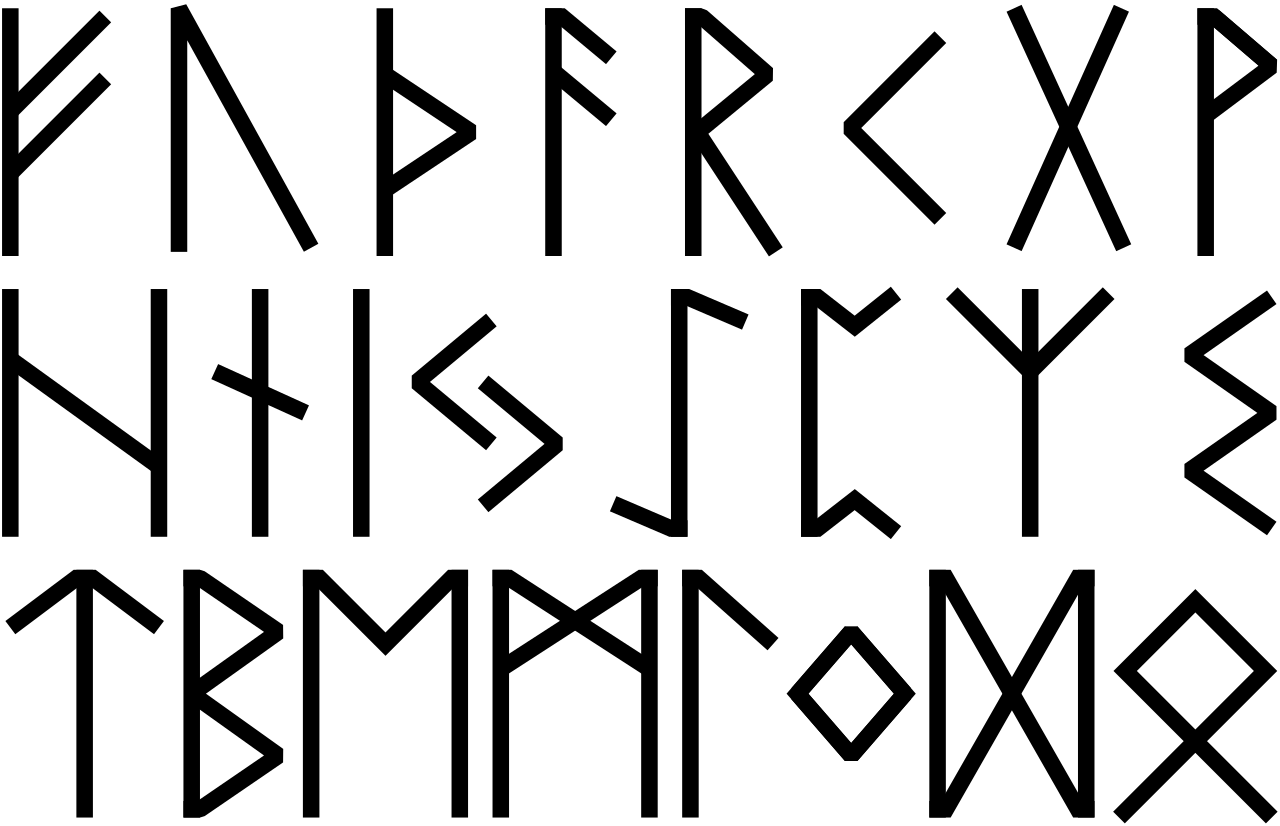
4The runic alphabet is known as the Futhark, named after its first six letters: Fehu, Uruz, Thurisaz, Ansuz, Raidho, and Kenaz. While there are many variants (the Elder Futhark, the Younger Futhark, the Anglo-Saxon Futhorc), the most commonly used system today is the Elder Futhark, with its 24 distinct runes. Each rune has a name, a phonetic value, a symbolic meaning, and a deep reservoir of associated mythology.
5The Rune Poems
6Much of our understanding of what the runes meant to the ancient peoples comes from the rune poems. Three primary poems survive:
71. The Old Norwegian Rune Poem: The shortest, focusing on a more pragmatic, agricultural interpretation of the runes. 2. The Old Icelandic Rune Poem: A more mystical and poetic interpretation. 3. The Anglo-Saxon Rune Poem: The longest and most detailed, providing a wealth of information on the cultural associations of each stave.
8These poems offer a glimpse into the mind of the ancients. For example, Fehu (F) is described as "cattle." The poem states: "Wealth is a comfort to everyone, though everyone must share it freely if they want to gain honor." This reveals the rune's connection not just to money but to portable wealth and the obligation to share it. Thurisaz (Th) is described as a giant: "A thorn is a sharp thing, cruel to the one who grasps it." This connects the rune to danger, defensive power, and the chaotic force of the giants.
9Divination with the Runes
10The most common modern use of the runes is for divination. The runes are not used to predict a fixed future but to read the flow of wyrd, revealing the influences at play in a situation and the potential consequences of a current course of action.
11· Casting the Runes: A classic method involves placing the runes in a bag, focusing on a question, and drawing a set number of runes (often three). A three-rune draw might be interpreted as "Past, Present, Future," "Situation, Challenge, Outcome," or "What to Embrace, What to Release, What to Expect." · A Spread: Like Tarot, runes can be laid out in patterns. A "Five-Rune Spread" could represent: (1) The Overview, (2) The Challenge, (3) The Strengths, (4) The Weaknesses, (5) The Likely Outcome. · Throwing the Runes: In this more intuitive method, the runes are cast onto a cloth. The reader interprets them not by a fixed position, but by their spatial relationships: which runes are near each other, which are pointing towards or away from the querent, and where they fall on the cloth.
12The key to successful rune divination is not merely memorizing the dictionary definition of each rune but developing a deep, intuitive relationship with them. Reading the runes involves active, meditative engagement with the imagery, sounds, and energy of each stave.
13Rune Magic: Galdr and Bindrunes
14Beyond divination, the runes are a potent tool for magic, for actively shaping wyrd.
15· Galdr: The art of "spell-singing" or chanting. The most basic form of runic galdr involves singing the name of a rune in a long, sustained tone while visualizing its shape and its intended purpose. The vibration of the voice is believed to carry the intent into the world. The word "galdr" is related to "to crow" or "to cry out," suggesting a loud, focused projection of sound. · Bindrunes: A bindrune is a symbol created by combining two or more runes into a single, unified design. This is a powerful form of "sigil" magic. For example, a bindrune for protection might combine the protective rune Algiz with the strength of Uruz. The resulting symbol is more than the sum of its parts; it is a unique key to a specific working.
16Example: Tyr's Arrow One popular modern bindrune is "Tyr's Arrow." It is created by stacking two Tiwaz runes (the rune of justice and the god Tyr) and two Thurisaz runes (the rune of the giant, representing overwhelming force). The combination produces a symbol like an arrow pointing upward. Its intention is to banish injustice or to provide a focused, powerful force for justice. It is a good example of how the meanings of the runes can be combined to create a potent new symbol.
17The Use of Runes in Other Magic
18Runes are often inscribed on objects (a weapon, a tool, a piece of jewelry) to imbue them with the rune's power. The famous "Kragehul spear" from Denmark has a runic inscription that seems to be a magical formula meant to make the spear invincible. In the sagas, the hero Egil Skallagrimsson is recorded carving runes into a drinking horn to detect poison. The runes are not mere decoration; they are an active force.
The Arts of Seiðr
1If the runes are the art of power through writing and speech, then seiðr is the art of power through trance and action. It is a complex and, in its time, often feared form of magic. It is the magic of the völva, the staff-bearing prophetess, and the seiðmaðr, the male practitioner who risked social stigma (ergi, unmanliness) to wield such power.
2The Nature of Seiðr
3Seiðr is a broad term that encompasses a range of practices involving trance, altered states of consciousness, and the manipulation of fate. It could be used for prophecy (spá), for healing, for causing harm, for shapeshifting, or for communicating with the dead (útiseta).
4The most famous description of a seiðr ritual comes from the Saga of Erik the Red. A seeress named Thorbjörg is invited to a farm in Greenland. She is dressed in a magnificent blue cloak and carries a staff (a seiðstafr). A group of women sings a chant called the Varðlokkur to induce the trance state. While in the trance, Thorbjörg delivers prophecies about the coming winter and the fortunes of those present.
5The Components of Seiðr
6· The Staff (Seiðstafr): The staff is an essential tool. It is a grounding rod, a focus of power, and a symbol of the practitioner's authority. It may be made of a specific wood (like elm) and could be decorated with runes or other symbols. · The Ecstatic State: The heart of seiðr is the trance state. This could be induced by chanting (galdr), drumming, or the use of entheogens. The practitioner "sends out" their hugr (mind) to travel to other realms, communicate with spirits, or witness events at a distance. · The High Seat (Seiðhjallr): The sagas describe the seeress sitting on a raised platform. This places her in a liminal position between the worlds, physically elevated and thus symbolically closer to the spiritual realm. · The Chants (Varðlokkur): These are the songs that call the spirits and establish the connection for the ritual. They were sung by the practitioner's assistants.
7The Self in Seiðr
8A critical concept for understanding seiðr is the nature of the self. The Northern tradition does not see the self as a single, indivisible soul. Instead, it is composed of several interlocking parts:
91. Hamr: The physical shape or form. This is the body and its appearance. Shape-changing (hamskifti) involves altering one's hamr. 2. Hugr: The mind or consciousness. This is the thinking, remembering, and willing aspect of the self. In a spiritual journey, it is the hugr that travels to other worlds. 3. Fylgja: A guardian spirit, often a female figure or an animal, that accompanies a person through life. It is a manifestation of one's fate and personal power. 4. Hamingja: The personal luck, fortune, or power that can be transferred from one person to another. It is the active, shaping force of one's will in the world.
10In seiðr, the practitioner uses their hugr to journey forth, their hamr to anchor them to the physical realm, their fylgja for protection, and their hamingja to actively shape the outcome of the working.
11The Three Forms of Seiðr
12· Utiseta (Sitting Out): This is a form of meditation or spirit journeying, often performed at a grave mound, a crossroads, or a place of power. The practitioner sits out to gain wisdom, to speak with the dead, or to contact spirits. · Spá (Prophecy): The practice of seeing the future. This is what Thorbjörg does. It involves entering a trance and delivering visions from the spirits. · Sorcery: The active, often harmful use of seiðr. This could involve sending a spirit to injure a target, causing illness, or shaping events through a directed will. This is the most dangerous and ethically fraught application of the practice.
Personal Practice and the Sacred Year
1The Northern tradition is a path of action. Its rituals are not performances but participatory acts of relationship. The core of the practice is the reciprocal exchange between the community and the divine, mediated through the rites of blót and sumble.
2Blót: The Rite of Sacrifice
3The term blót is the central ritual of the Northern tradition. It means "sacrifice" or "worship." In the ancient world, a blót involved the sacrifice of an animal, often a horse or a bull, but in modern practice, it usually consists of offering food and drink. The purpose of a blót is to create an exchange: a gift for a gift. A modern blót typically follows a simple, structured format:
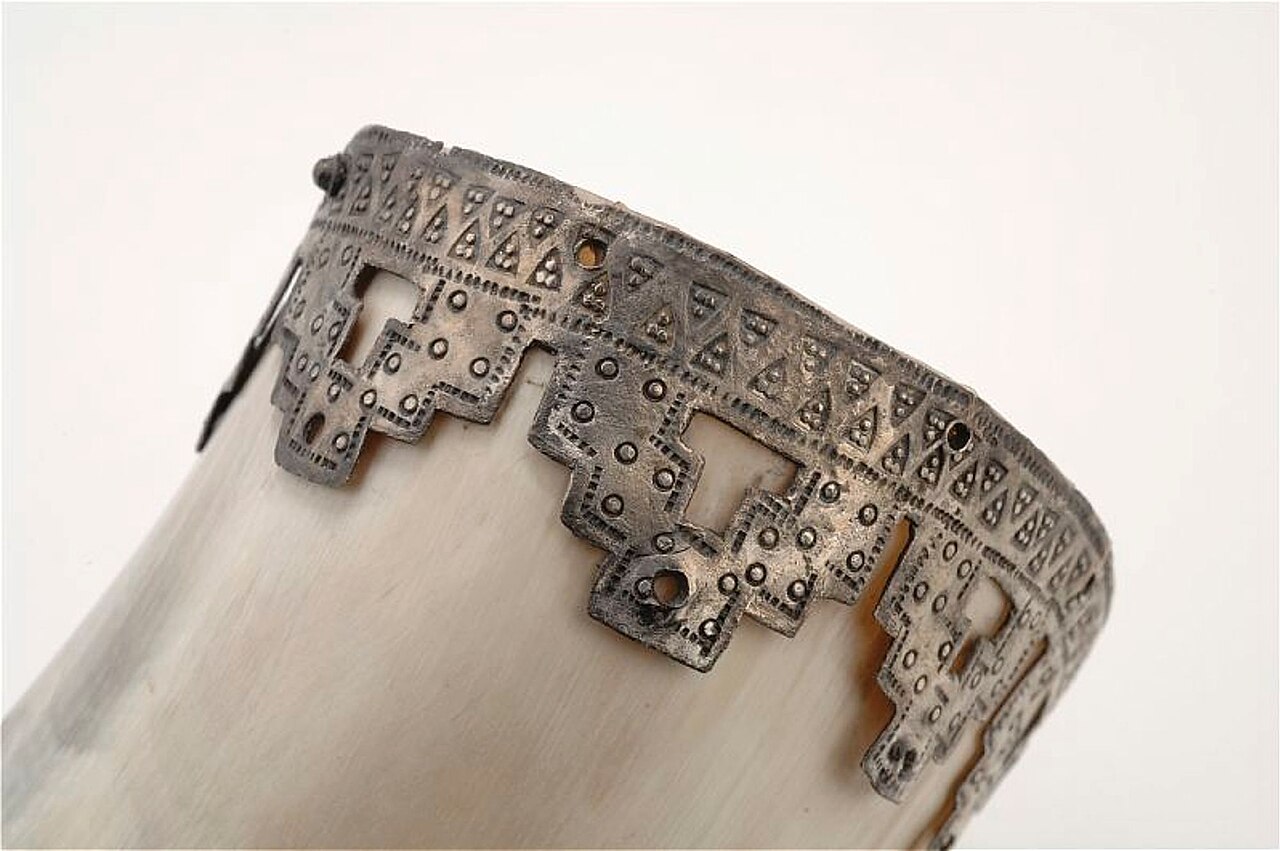
41. Setting the Space: The ritual area is hallowed. This might be done with the sign of the hammer (making the sign of Thor's hammer over the space) or by invoking the gods. 2. The Hallowing (or Bidding): The goði (priest) or gyðja (priestess) blesses the sacred drink (usually mead or ale) in the horn, dedicating it to the gods, ancestors, or spirits. 3. The Offering: The horn is passed to the participants. Each person takes a sip, speaks a word of praise to a deity or ancestor, and pours the remaining contents into an offering bowl (or onto the ground). This act of pouring out the drink is the core of the offering—it returns the gift to the giver, creating a cycle of reciprocity. 4. The Blessing: The hallowed drink might be used to sprinkle (or asperge) the participants or the altar, imparting a blessing. 5. The Feast: The blót is followed by a feast, a communal meal that continues the sense of community and shared prosperity.
5Sumble: The Ritual of Toasting
6If the blót is the primary ritual of offering, the sumble is the primary ritual of speech. It is a formal, structured drinking ceremony where the horn is passed, and each participant speaks. It is a time for boasting, oath-making, and honoring heroes. The sumble creates an atmosphere of sacred fellowship. The process is straightforward:
71. Rounds: The sumble typically consists of three rounds. The first round is for the gods. The second round is for heroes and ancestors. The third round is an open round for boasts, personal oaths, or toasts to the living. 2. The Valkyrie: In some groups, a designated person (the "Valkyrie") bears the horn around the circle, presenting it to each participant. 3. The Oath: An oath sworn in the sumble is a weighty thing. It is witnessed by the gods and the community, binding the speaker to their word.
8The Sacred Year: Holidays and Festivals
9The Northern tradition is tied to the cycle of the seasons. The sacred year is a calendar of feasts and observances that mark the turning of the great cosmic wheel.
10· Yule (Jól): The most important of all holidays. Celebrated around the winter solstice, Yule is a time of deep darkness and the rebirth of the sun. It is a time of feasting, of honoring the ancestors, and of making oaths. Many modern traditions, such as the Christmas tree and the Yule log, have roots in Yule. · Dísablót / Disting: A festival honoring the dísir (female guardian spirits) and the ancestors. It was often held in late winter or early spring. · Sigrblót: A spring festival (often at the Spring Equinox) to celebrate victory, both in the sense of military victory and the victory of life over winter. It marked the beginning of the summer half of the year. · Midsummer (Miðsumar): The celebration of the summer solstice, the longest day of the year. It is a time of powerful energy, celebration, and connection to the sun's vitality. · Vetrnætr (Winter Nights): Marking the beginning of winter, this is a time to honor the ancestors and the dead. It is a somber, reflective festival. · Harvest (Haustblót): A festival of thanksgiving for the harvest, honoring Freyr and the spirits of the land.
Community, Ethics, and the Challenge of Fascism
1The Northern tradition, while deeply personal, is not a solitary path. It is a communal faith, rooted in the bonds of family, friendship, and shared values. Building and maintaining a healthy community is as much a spiritual practice as any ritual. Yet, the modern practitioner must also confront a dark shadow that has clung to the tradition: its co-option by racist and fascist ideologies.
2Finding and Building a Kindred
3For many, the spiritual journey begins alone, but it often leads to a search for like-minded individuals. A kindred (or hearth) is a group of practitioners who gather regularly for ritual and study. It is a chosen family, bound not by blood but by troth and shared values.
4Finding a Kindred: This can be a challenge. The tradition is decentralized and often operates through informal networks. A good starting point is to:
5· Explore online resources and forums dedicated to the Northern tradition. · Attend public events like festivals, Pagan Pride Days, or local moots. · Visit local metaphysical bookstores or New Age shops, which often have community boards. · Inquire with larger umbrella organizations, such as The Troth, which have regional stewards and a list of member kindreds.
6What to Look For: A healthy kindred should be welcoming, transparent, and have clear structures for decision-making and conflict resolution. They should be inclusive, open to people of all backgrounds. Be wary of groups that demand strict obedience to a leader, require oaths of fealty without establishing mutual trust, or engage in gatekeeping based on ancestry, race, or gender. A truly solid kindred will encourage questioning, study, and individual growth.
7The Structure of a Kindred: The word kindred evokes the family. While some groups may be more formal, most organize around a shared purpose and an agreed-upon code of conduct. The leaders, often called goði (priest) or gyðja (priestess), are not rulers but facilitators. They organize rituals, lead study sessions, and serve as a first point of contact for members. Many groups adopt a consensus-based model of governance, where all members have a voice in significant decisions, reflecting the democratic ideals of the ancient thing (assembly).
8Conflict Resolution and Community Values
9Any community will face conflict. The Northern tradition provides a framework for resolving disputes ethically, based on the ancient concept of weregild ("man-payment"). In the old days, weregild was a system of compensation paid to the family of a slain person to prevent a blood feud. In a modern context, weregild is a principle of restorative justice.
10When a harm occurs—whether a broken oath, a breach of trust, or a verbal insult—the goal is not simply to punish, but to restore. The harmed party is offered compensation, which could be an apology, a material gift, an act of service, or some other form of restitution that is meaningful to them. The goal is to repair the frayed threads of the community's wyrd. If a member consistently refuses to engage in good-faith dispute resolution, the community may ask them to leave.
11The Neo-Volkisch Movement and Fascism
12This is the most difficult and necessary topic for any modern practitioner to confront. The symbols and names of the Northern gods have been co-opted by white supremacists and fascists. These groups, often calling themselves "Folkish" or "Odinist," claim that the Northern tradition is a "blood religion," exclusive to people of Northern European descent.
13This ideology is a profound corruption of the tradition. It is not rooted in the lore but in the racist pseudo-science of the 19th and 20th centuries (e.g., the "Metagenetics" theory of Stephen McNallen). The ancient Norse, who were avid traders and raiders, had no concept of a pan-Germanic racial purity. They took slaves from all over the world, married across cultures, and their legends (like the Volsunga Saga) show a deep respect for outside peoples, including the Huns.
14The current iteration of this ideology is often referred to as the "neo-Volkisch" movement. It represents a modern attempt to build a fascist political movement dressed in the trappings of a pre-Christian aesthetic. These groups use the symbols (the Othala rune, the Black Sun, the Wolfsangel) and the rhetoric of "heritage" to recruit the disaffected and the young.
15Why It Must Be Opposed: To allow these groups to claim ownership of the tradition is to allow them to poison the well. The tradition is for anyone who hears the call of the gods, regardless of race, ethnicity, or sexual orientation. To be a practitioner in the modern age is to take a stand against this corruption. The gods are not racist. The great hero Sigurd is not defined by his "blood" but by his deeds. The Hávamál warns against a person who is "too smart for their own good" and the fool who "thinks he will live forever" by hiding from the fight.
16What to Do: The community must actively oppose this hijacking.
17· Education: Learn to identify the symbols and rhetoric of the neo-Volkisch movement. Be able to articulate the difference between a genuine, inclusive practice and a racist front. · No Platform: Do not give them a platform. Inclusive groups should have clear anti-racist statements and policies. They should not allow known racists to speak at events or to use their venues. · Support Counter-Movements: Support organizations like the inclusive, anti-racist Heathens United Against Racism. Form alliances with other pagan groups who share these values. · Be Active: Speak out when you see bigotry, whether online or in person. Silence is complicity. The Hávamál states that "if you see evil and know evil, speak out against it and give your enemies no peace."
Conclusion: The Fire and Ice Within
1We have traveled from the misty shores of prehistory to the digital forums of the modern world, tracing the winding path of the Northern tradition. We have seen the fiery spark of creation from the collision of Muspelheim and Niflheim, and the quiet, relentless growth of Yggdrasil, the World Tree. We have met the gods—Odin the Wanderer, Thor the Defender, Freyja the Lady, Tyr the One-Handed—and we have heard the whispered wisdom of the Hávamál.
2The Way of Fire and Ice is not a path of simple belief or blind faith. It is a path of action, of deeds. It is a path of self-reliance and community, of courage and honor, of wisdom and hospitality. It asks its followers not to pray for salvation but to live with integrity. It challenges us to build a good name, to keep our oaths, and to be a force of strength and generosity in our communities.
3It is a tradition that was nearly extinguished, driven underground by the forces of history and conversion. Yet, the old ways are remarkably resilient. They lay dormant, like seeds frozen in the ice, waiting for the warmth of a new spring. That spring has come.
4As you step forward from these pages into your own journey, remember that you are not the first to walk this path, and you will not be the last. You are part of a chain of ancestors and descendants, a living thread in the great web of wyrd. The gods of the North do not demand your obedience; they invite your partnership. They do not promise you a comfortable life; they offer you the chance to live a meaningful one.
5The final lesson of the Way of Fire and Ice is the power of the cycle. Ragnarök is not the end, but a transformation. The world burns, and a new one is born. So too, in our own lives, we face our own personal Ragnaröks—times of destruction, loss, and painful change. But from those ashes, we have the power to build something new. The hammer of Thor is not just a weapon of destruction; it is a tool of creation. The fire of Muspelheim can consume or it can forge. The ice of Niflheim can entomb or it can preserve. The power is in how we wield them.
6May you find the courage to face your own giants. May you have the wisdom to know when to speak and when to remain silent. May you build a kindred that is a true hearth—a place of warmth, safety, and honor. And may you walk the path with your head held high, knowing that your deeds are what truly matter.
7Hail the Gods! Hail the Ancestors! Hail to the Holy Earth!